What to Expect During a Professional Roof Certification
People seeking roof certification typically want to ensure their roof's safety and compliance, and local contractors can perform inspections to verify its condition.
If you're considering a professional roof certification, you're in the right place to learn what to expect during the process. Property owners in the area often pursue roof certifications to ensure their roofs are in solid condition, whether for peace of mind, preparing for a sale, or meeting insurance requirements. During a typical certification, local contractors will thoroughly inspect the roof’s structure, materials, and overall condition, providing an assessment that highlights any potential issues or confirms the roof’s integrity. Understanding what happens during this process can help you feel more prepared and confident when engaging with local service providers.
Keeping informed about what to expect during a professional roof certification can also clarify the value of having a trained specialist evaluate your roof. These inspections often involve a detailed visual assessment, sometimes complemented by additional testing or measurements, all aimed at giving property owners a clear picture of their roof’s current state. Local contractors offering roof certification services are equipped to handle these evaluations efficiently, providing insights that support informed decisions about maintenance, repairs, or future investments. Continuing to read can help you better understand how these services work and how they can benefit your property.
- Roof inspection services - homeowners may need a roof inspection to evaluate the condition of their roof before a certification, and local contractors typically perform a thorough visual assessment.
- Roof evaluation services - property owners planning to sell or insure a property may require a roof evaluation, which local service providers approach with detailed inspections and documentation.
- Roof assessment services - during a roof certification process, individuals might seek an assessment to identify potential issues, with local pros conducting comprehensive examinations of roofing components.
- Roof condition reports - clients requesting a roof certification often need a detailed report on the roof’s condition, which local experts prepare by inspecting for damage, wear, and structural integrity.
- Roof testing services - in some cases, a roof certification involves testing for leaks or material degradation, and local contractors handle these procedures with specialized equipment and techniques.
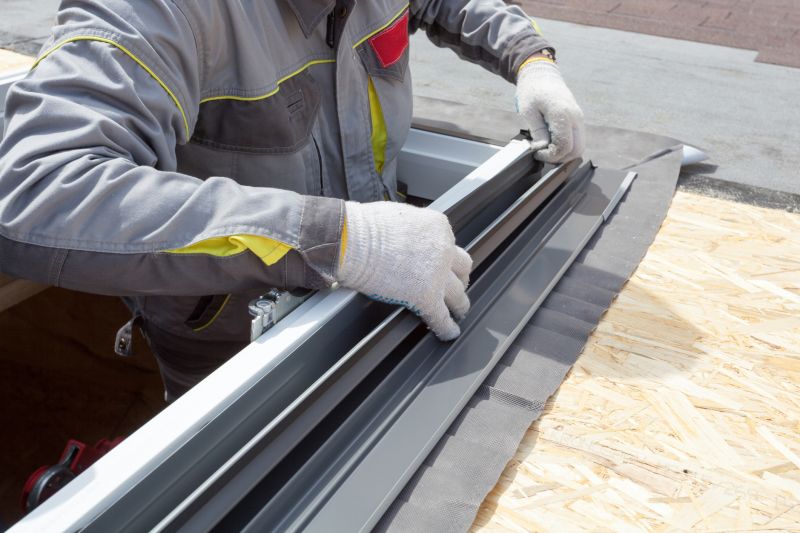

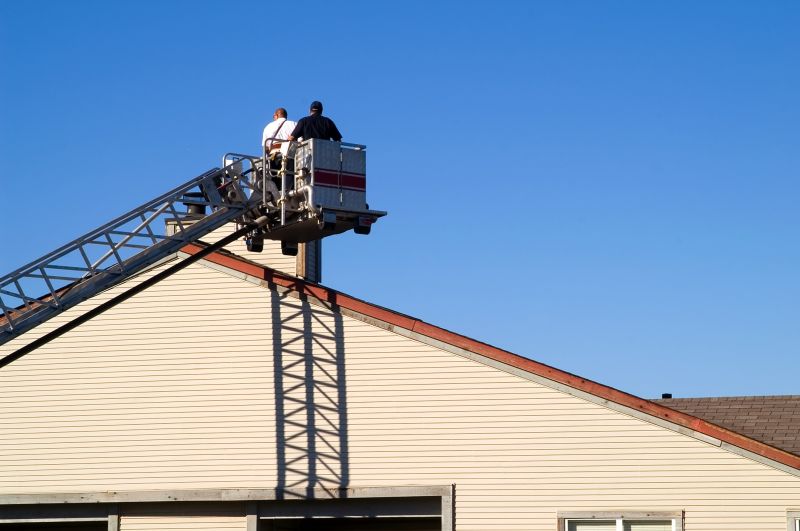
A professional roof certification is often requested during real estate transactions, insurance assessments, or property inspections. When people search for what to expect during a professional roof certification, they are usually seeking clarity on the process involved in evaluating a roof’s condition and determining its suitability for specific plans or requirements. This certification typically involves a thorough inspection by experienced service providers who assess the roof’s overall health, identify any existing issues, and verify whether it meets certain standards. Homeowners and property owners may want to understand what the inspection entails, how long it takes, and what kinds of problems might be uncovered, especially if they are preparing to buy, sell, or insure a property.
The scope of a roof certification often relates to various problems or plans associated with the property. Common issues that might be identified include damaged or missing shingles, signs of leaks, deterioration of flashing, or compromised roof ventilation. These findings can influence decisions about repairs, replacements, or insurance coverage. For property owners planning renovations or upgrades, a roof certification can serve as a clear assessment of the current roof’s condition, helping to prioritize repairs or maintenance. It also provides documentation that can be useful for negotiations or satisfying lender or insurer requirements. Service providers conducting these certifications focus on providing an accurate, unbiased evaluation that reflects the roof’s present state.
The types of properties that typically require a roof certification include residential homes, multi-family buildings, commercial properties, and sometimes even industrial facilities. Residential properties are the most common, especially during real estate transactions where buyers want assurance about the roof’s condition. Commercial buildings, such as retail stores or office complexes, may also need certifications to meet insurance or leasing requirements. In some cases, properties with older roofs or those that have experienced damage are more likely to undergo a professional roof certification to document their condition and ensure compliance with local regulations or lending standards. Local service providers who perform these inspections are familiar with the specific requirements for different property types and can tailor their evaluations accordingly.
Understanding what to expect during a professional roof certification helps homeowners and property owners anticipate the process and recognize the importance of working with experienced service providers. These local contractors or inspectors will typically perform a comprehensive visual assessment, sometimes supplemented by drone or ladder inspections, to thoroughly evaluate the roof’s components. They will look for visible damage, signs of wear, and potential problem areas that could lead to future issues. The certification process is designed to provide a clear picture of the roof’s current condition, offering valuable insights that inform repair plans, insurance decisions, or property transactions. Connecting with trusted local pros ensures that the evaluation is accurate and that any necessary work is handled professionally and efficiently.
Roof inspection services - These projects involve detailed assessments of roofing systems, utilizing similar tools and planning methods as those used during a professional roof certification.
Roof repair and maintenance - Repair projects require evaluating roofing conditions and implementing fixes, aligning closely with the inspection and evaluation process in roof certification services.
Gutter and drainage system installation - Proper drainage assessments are part of ensuring roof integrity, which complements the evaluation steps in a roof certification process.
Roof ventilation system upgrades - Improving airflow involves inspecting existing systems and planning upgrades, similar to the evaluation phase of a roof certification.
Roof replacement projects - Large-scale replacement work demands thorough planning and assessment skills that are also essential during a roof certification inspection.
Leak detection and waterproofing - Identifying leaks and applying waterproofing solutions require detailed inspection skills similar to those used in roof certification evaluations.
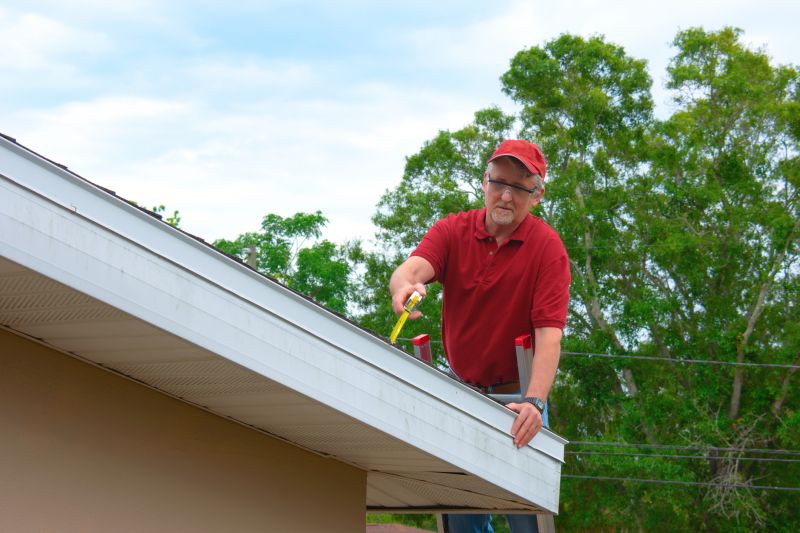
When evaluating service providers for a roof certification, it’s important to consider their experience with similar projects. Homeowners should look for local contractors who have a proven track record of conducting thorough inspections and certifications on properties comparable to their own. An experienced professional will be familiar with common issues in the area, understand the nuances of different roofing materials, and be able to identify potential concerns that might not be immediately obvious. This familiarity can help ensure that the certification process is comprehensive, accurate, and tailored to the specific needs of the home.
Clear, written expectations are essential when comparing local pros for roof certification services. A reputable contractor will provide detailed documentation outlining what the certification entails, including the scope of the inspection, the criteria used to evaluate the roof’s condition, and any recommendations or next steps. This transparency helps homeowners understand what to anticipate during the process and ensures there are no surprises afterward. Having these expectations in writing also facilitates better communication and helps prevent misunderstandings about the scope or quality of the service.
Reputable references and effective communication are key indicators of a reliable service provider. Homeowners should seek out local contractors who can provide references from previous clients or examples of completed certifications. Good communication involves timely responses to questions, clear explanations of findings, and a willingness to discuss any concerns or additional services needed. Choosing a provider who values open dialogue and has positive references can help ensure the certification process is smooth, professional, and aligned with the homeowner’s expectations.
Property owners often search for what to expect during a professional roof certification when they are planning practical projects around their homes and businesses. Local pros provide Roof Certification services for everyday jobs and straightforward project options.
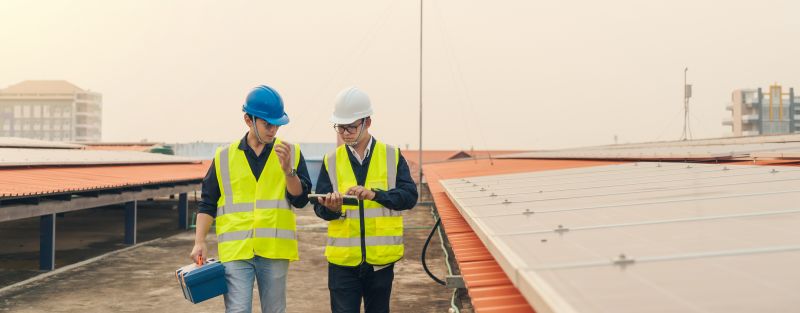
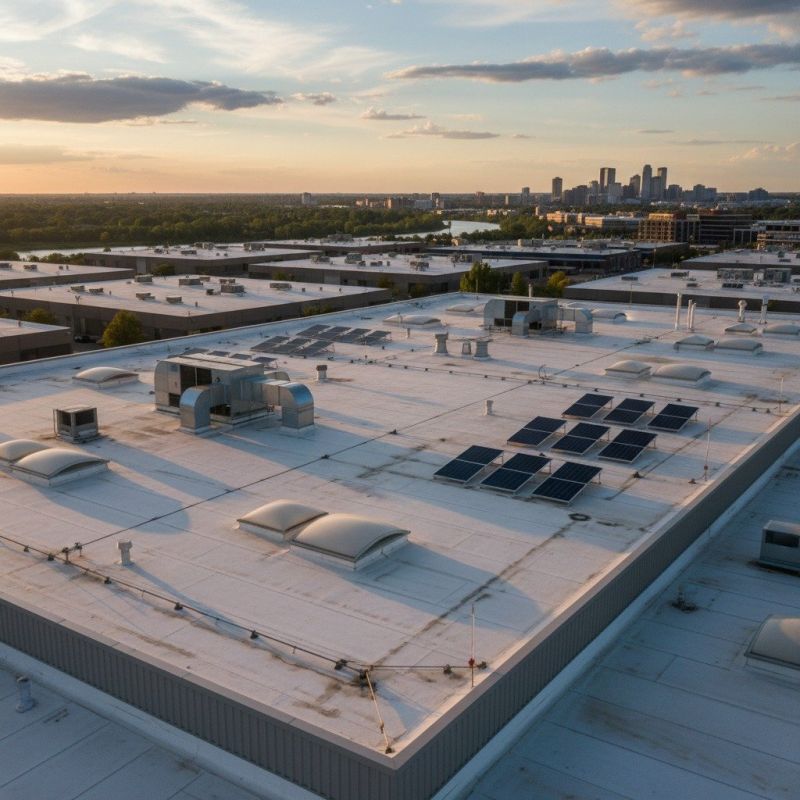
During a professional roof certification, property owners can expect a thorough inspection process conducted by experienced service providers. This typically involves a detailed visual assessment of the roof’s overall condition, including checking for damaged or missing shingles, signs of wear, and potential leaks. The inspection may also include evaluating the roof’s ventilation, flashing, and drainage systems to ensure everything is functioning properly. Property owners often find this process straightforward, with the service provider systematically examining accessible areas and providing an objective assessment of the roof’s current state.
Many property owners seek roof certification services to confirm the integrity of their roof before selling, refinancing, or making significant home improvements. Local contractors performing these inspections understand the common issues faced by homes in the area and can identify early signs of trouble that might otherwise go unnoticed. The certification process offers peace of mind by providing a clear, professional evaluation of the roof’s condition, helping property owners make informed decisions about maintenance, repairs, or future investments.
What does a roof certification process typically involve? A roof certification usually includes a thorough inspection by a professional contractor to assess the condition of the roof, identify any damages or issues, and determine if it meets safety and durability standards.
How will a professional inspect my roof during a certification? The inspector will examine the roof’s surface, flashing, shingles, and other components, often inspecting from the ground, ladder, or roof itself to identify signs of wear, leaks, or structural concerns.
What should I expect in terms of the inspection environment? The inspection is generally performed during normal weather conditions and may involve the contractor walking on the roof if it’s safe to do so, to get a detailed view of its condition.
Will the contractor provide documentation after the certification? Yes, local service providers typically offer a report or certificate that details the findings of the inspection, including any recommended repairs or maintenance to ensure the roof’s integrity.
What are common issues identified during a roof certification? Common issues include damaged or missing shingles, signs of water leaks, worn flashing, or structural weaknesses that could affect the roof’s performance or safety.
Understanding the inspection process - property owners can learn what aspects of their roof will be examined and how the assessment is conducted by local contractors during a roof certification.
Identifying potential issues - a roof certification can reveal areas needing repair or maintenance, helping property owners plan for necessary work with local service providers.
Learning about roof condition reports - property owners will receive detailed documentation outlining the roof’s current state, which can assist in future planning or sales processes.
Knowing what to expect during the appointment - understanding the typical steps involved in a roof certification helps property owners prepare for the inspection and coordinate with local contractors effectively.
If you are thinking about what to expect during a professional roof certification for a property, this guide is meant to help you understand this topic, the typical project types, and how different options might fit your plans.
When you are ready, you can use the quote form on this page to share a few details about your project. From there, local pros can review the basics and follow up with options that match what you have in mind.